
Stories about lost and unknown civilizations used to be told via the fantasy genera with tales by the likes of Robert E. Howard with Conan the Barbarian who was always uncovering tombs that contained ancient, forbidden knowledge or Kull who was from the lost kingdom of Atlantis to name a scant few. But in the modern era when it seems* as if every corner of the Earth’s been explored and there’s not a lot of chances anyone’s going to uncover a hidden temple out in the steppes of Mongolia anytime soon, stories of unknown civilizations have moved from fantasy to science fiction. One of the latest stories to deal with an unknown civilization is the book trilogy/new film Annihilation.
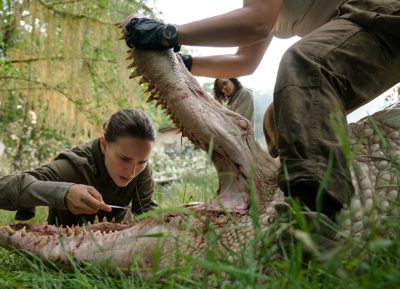 In Annihilation, something happened, no one’s quite sure what, that caused a small coastal village to be surrounded by a barrier that made weird things to occur to everything inside. People vanished, animals mutated and buildings appeared out of nowhere. Now dubbed “Area X,” teams of scientists have been sent in to study it, but few have ever come back and the ones who have seem to be different. Like they might be duplicates with the originals stranded inside.
The first Annihilation novel is brilliant. Told in first-person perspective by a character only known as “the biologist,” we experience “Area X” as the characters of the novel experience it at the same time.
But Annihilation isn’t the only sci-fi story about people trying to understand the unknown.
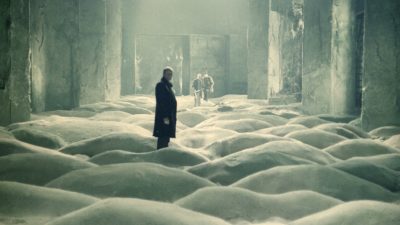
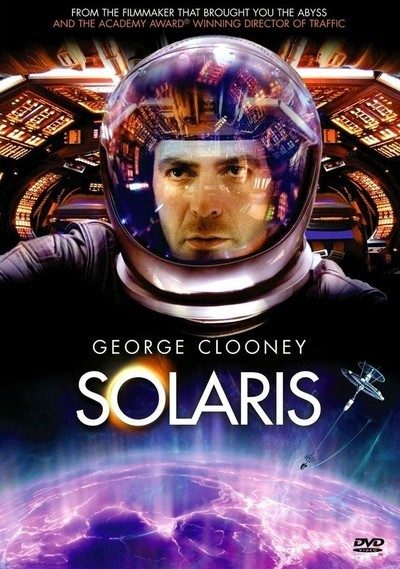 The most famous of these kinds of stories has got to be Solaris by Stanisław Lem. Lem’s novel deals with a group of scientists studying the ocean-covered planet “Solaris” that isn’t an ordinary planet, it’s somehow able to do things like change its orbit and create artificial clouds and animals from its surface seemingly out of nowhere. As the scientists study Solaris they come to the stark conclusion that the planet is probably a gigantic living organism with a massive, alien intelligence, and that as they study the Solaris, Solaris is also studying them.
Solaris was turned into two films of the same name, one in 1972 and one in 2002. The 2002 movie directed by Steven Soderbergh is wonderful but I’ve never been able to make it through the long, and ponderous 1972 one.
Just a few years ago the movie Prometheus (2012) focused on a group of scientists traveling to a far-off part of the galaxy and finding an ancient tomb of sorts that was built by a highly advanced alien species. And because these scientists entered this tomb and broke some ancient seals, ala the Egyptian tomb explorers of the 1920s, rather than unleashing a curse they unleash a science experiment gone awry eons ago that attacks their expedition.
What Annihilation owes most to is the 1971 novel Roadside Picnic by Arkady and Boris Strugatsky. A few years before the start of this novel what’s assumed to be aliens landed at several points around the globe and all left at the same time. Now, everywhere the aliens landed are treated as contaminated “zones” that are littered with strange, unknowable artifacts. Some of the artifacts are good like the batteries that never run out and some of the artifacts are bad like the slime that if touched causes a person’s bones to turn to mush.
 It’s theorized that all this alien “stuff” is actually their trash, akin to the garbage a family might leave behind in a meadow after a roadside picnic. And how the animals in the meadow wouldn’t know what to make of our garbage, we don’t know what to make of the alien trash either.
Much of Roadside Picnic deals with people who are called “stalkers” who go into these zones and steal things of value while trying to avoid all the things that can harm them. And one stalker in particular, Redrick “Red” Schuhart, is in search of a special artifact that grants wishes.
A film version of Annihilation, directed by Alex Garland (Ex-Machina, 28 Days Later) and starring Natalie Portman is due in theaters February, 23.
*It only seems that way, when in fact we probably know very little.
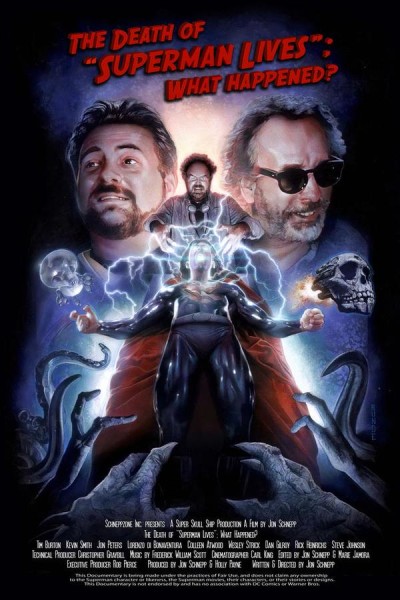 Both these movies, one about a Tim Burton Superman movie that would’ve been released in the late ‘90s and a different version of the Island of Dr. Moreau than the one that came out in ’96, are a fascinating look inside the moviemaking process. The reason behind why Superman didn’t live with Burton is because of the nature of the moviemaking business, of a studio in trouble after a series of costly flops and of being scared to finance another risky looking film. While Lost Soul shows that while the writer/director of a film can have an amazing vision, that vision isn’t enough to keep them their job when the two stars of the movie want him off the set.
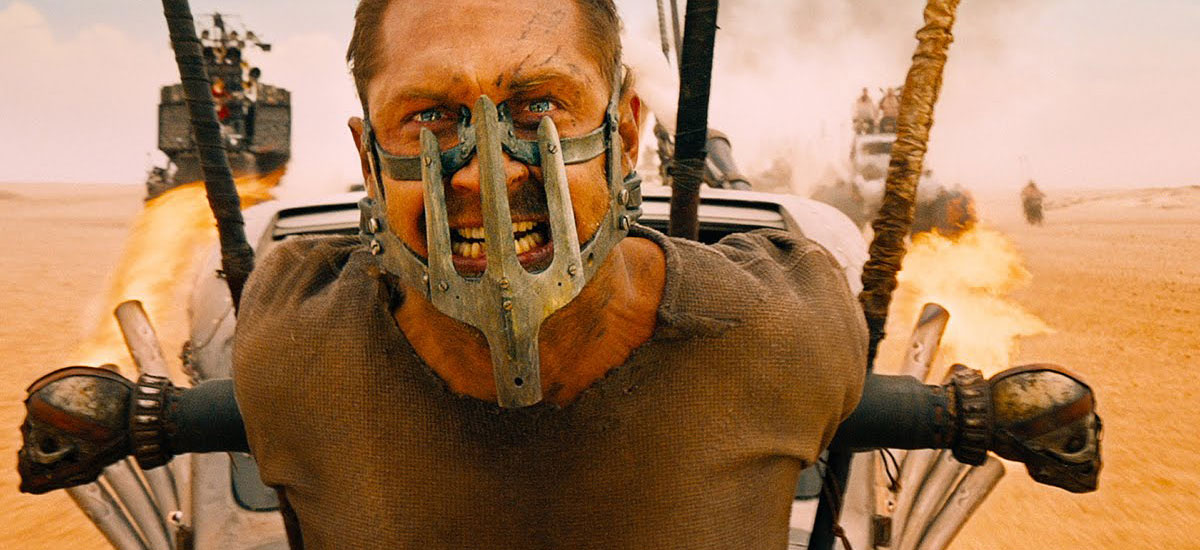
 In an era when there are loads of post-apocalyptic TV series and movies, I think the best of the bunch was the fourth film of the Mad Max franchise. Fury Road plays like some extended fever dream; from characters speaking languages the viewer can’t understand, to the oversaturated psychedelic landscapes to a movie that’s made of almost constant action… But it’s these differences from all the other post-apocalyptic TV and movies that set Fury Road apart and made it one of the best films I’ve seen in quite some time.