TV
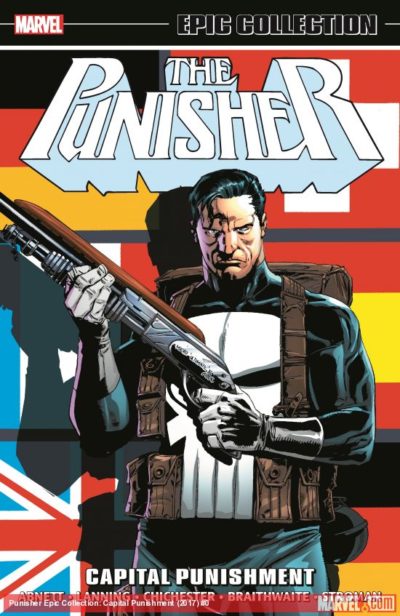
The Punisher ***/****
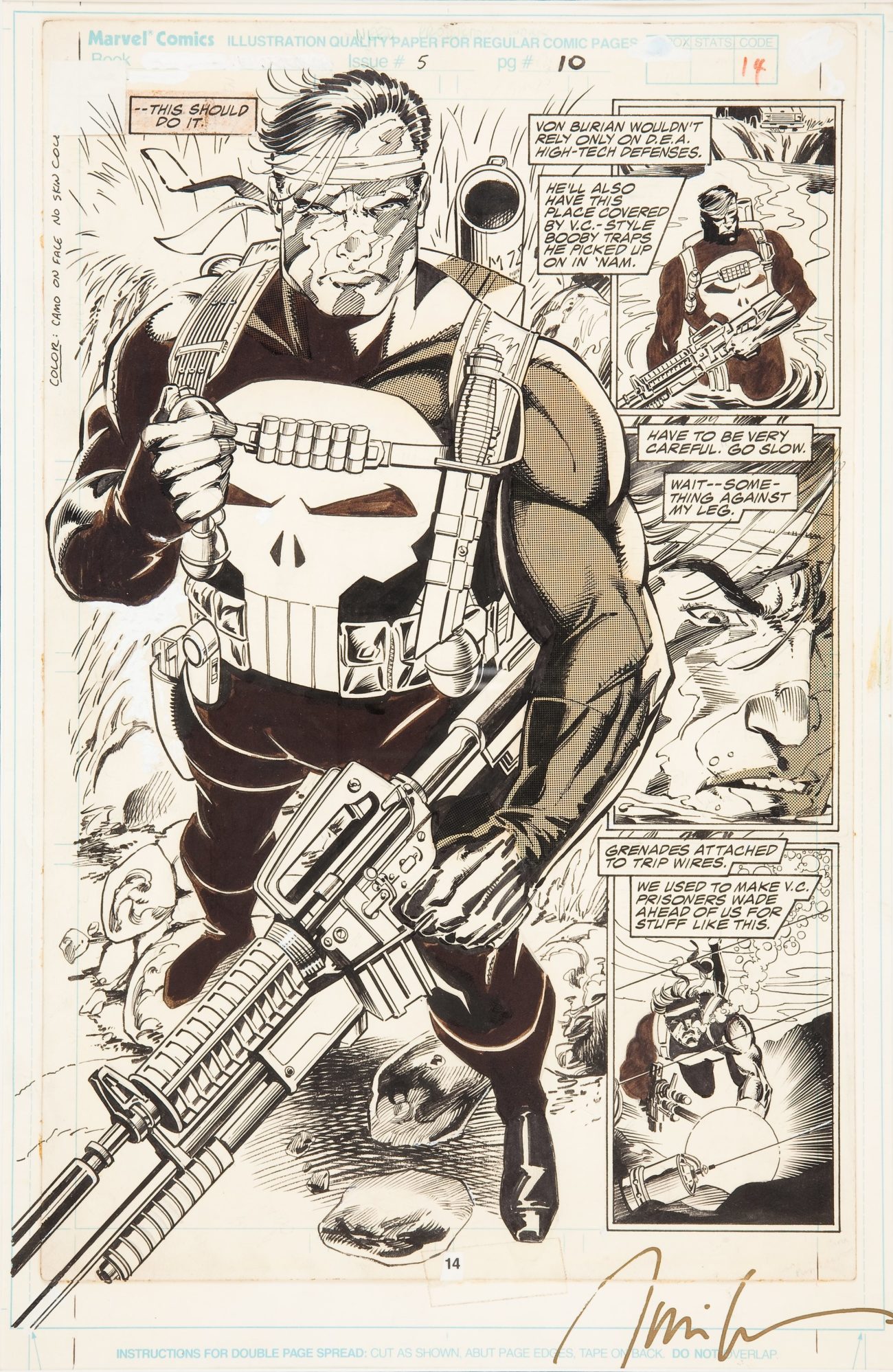
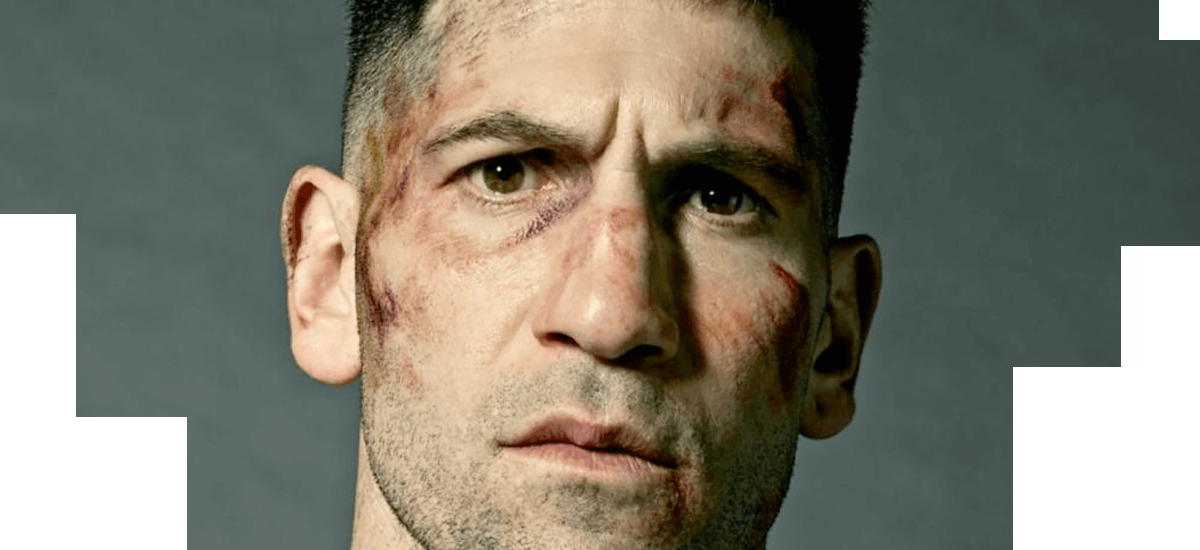
There was realistically no way I wasn’t going to like the first season of the Netflix series The Punisher. I’ve been a fan of the character most of my life, have collected Punisher comics for forever now and have watched all of the Punisher movies to date. So even if this new Netflix The Punisher was just good, I’d probably still be gushing over it no matter what. So it feels good to be able to write that The Punisher on Netflix isn’t just good, it’s great and is my favorite Marvel Netflix series to date.
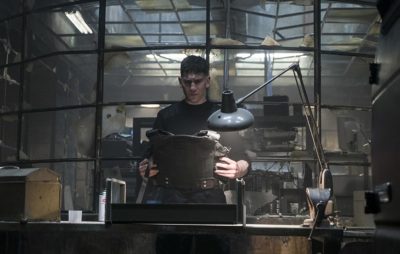
What I was surprised most with The Punisher was just how it deviated from where I thought the series was going to go from where the character ended up in the last season of Daredevil. It would make perfect sense if the first season of The Punisher would follow Frank Castle (Jon Bernthal) hunting down the men who killed his family with later seasons having the character expand and doing something more. Except that’s not what happened. Here, in the first ten minutes of The Punisher Castle eliminates all these people in some very creative ways which pretty much ends that story. And instead of being a great revenger of crime he becomes a laborer on a construction site trying, but not quite ever being able, to put his life back together.
But since this series is called The Punisher and not Frank Castle of course we know that at some point he’s going to have to start battling crime and that comes in a very unique way here. In the show Castle meets David Lieberman (Ebon Moss-Bachrach) aka “Micro” an ex-CIA computer expert who faked his own death in order to keep his family safe. So, while Castle doesn’t have a family to go home to Lieberman does but can only watch them at a distance in order to keep them safe.
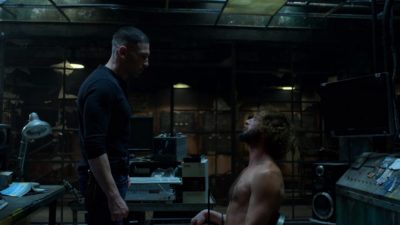
As the two character’s paths cross, Frank realizes that the death of his family might have some connections within the government and more specifically within a secretive special forces squad he was once a member of. And Lieberman realizes that if there’s any chance he’ll ever get to be with his family again it’ll probably be through helping Castle.
In the past I’ve lamented over the lack of blood in the Marvel movies. There, characters can be pummeled to pulp, thrown against buildings and be exposed to colossal explosions which leads to the injuries in the films like maybe a trickle of blood out of the corner of someone’s mouth. While I get that a) these are superheroes and b) they’re in what’s ostensively family movies, none-the-less this is something that’s bugged me over the years. So when something comes along like The Punisher where characters can be hurt and there is a level of blood and gore not seen in any Marvel movie to date, it’s something I notice and appreciate. I like that The Punisher is a show created for viewers who are looking for something a little more intense than PG–13.
That being said, I think maybe the gore was overly done here. Well, maybe that’s not right — I thought the level of gore was good, but maybe the level of recovery time for people like Frank Castle was a little short. In some episodes Frank’s so badly injured that he has punctured lungs and broken ribs yet is up and ready to fight in a few hours time which realistically would mean weeks or months of recovery. Even a character like Billy Russo (Ben Barnes) at one point is shot in the shoulder. Which, even assuming the bullet missed the bone would require a long recovery in order to gain mobility back, is ready to have a knife-fight mere hours later.
But this is a small complaint about a show that I liked a whole lot.
What I find most interesting about The Punisher is that in a lot of regards the character of the Punisher is someone the government can, and in the series does, categorize as a domestic terrorist. The guy carries rocket launchers around New York city and isn’t afraid to use them, assaults federal agents and has gigantic gunfights so there is a bit of people wanting to bring the Punisher to justice if just so that it cuts down on the open-street firefights in The Punisher. What’s fascinating is that while in The Punisher it’s shown that the media and politicians go after him for being a dangerous criminal, since he’s trying to eliminate crime and demolish corruption he can be a nice little tool for them to use as a means to an end. They don’t mind turning a blind eye to the tactics of the Punisher from time to time if it means furthering their agenda.
Movies
The Movie Chain: #7: Dunkirk (2017)
Last week: Tinker Tailor Soldier Spy
The Movie Chain is a weekly, micro-movie review where each week’s film is related to the previous week’s movie in some way.
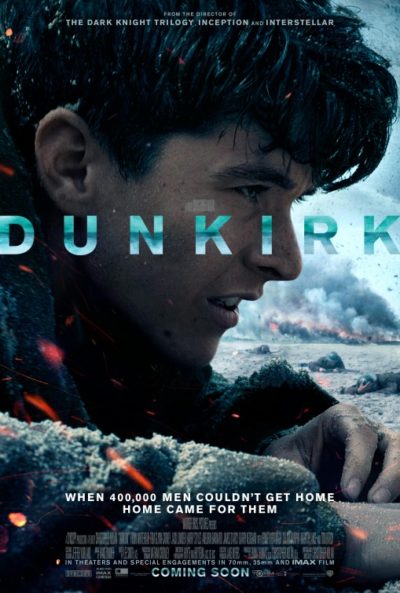 When the movie Dunkirk was announced I honestly didn’t think it would make for a great movie. It’s the story of the British army having to evacuate from France after being routed by German forces in the early days of the second world war. So how do you make an interesting movie about one of the greatest defeats in military history and not make the movie feel defeatist? How writer/director Christopher Nolan did that was that rather than making a movie about defeat, instead Dunkirk is a movie about survival and is one of the most timely films in memory.
Told via several different perspectives during the evacuation, including that of a pilot (Tom Hardy from last week’s Tinker Tailor Soldier Spy), an army private (Fionn Whitehead) and a boat captain (Mark Rylance), in Dunkirk the British Expeditionary Force is trapped on the beaches of France waiting for rescue via the British navy from the encroaching German army. Except that the navy doesn’t want to risk too many boats picking up the stranded men when they have to save the craft for the next battle that will surly come. Enter private British citizens with boats of their own who can cross the short channel and rescue a few men at a time. But will this happen in time to save all the soldiers on the beach while the British airforce dukes it out in the air against the Luftwaffe in planes that run closer and closer to running out of fuel with each fight?
If there’s a theme to Dunkirk it’s to never, ever give up. Since when things are at their worst you never know if help is right around the corner.
“We shall go on to the end. We shall fight in France, we shall fight on the seas and oceans, we shall fight with growing confidence and growing strength in the air, we shall defend our island, whatever the cost may be. We shall fight on the beaches, we shall fight on the landing grounds, we shall fight in the fields and in the streets, we shall fight in the hills; we shall never surrender…”
Next week: You can run, but they’re gonna catch you.
Cool Movie & TV Posters of the Week

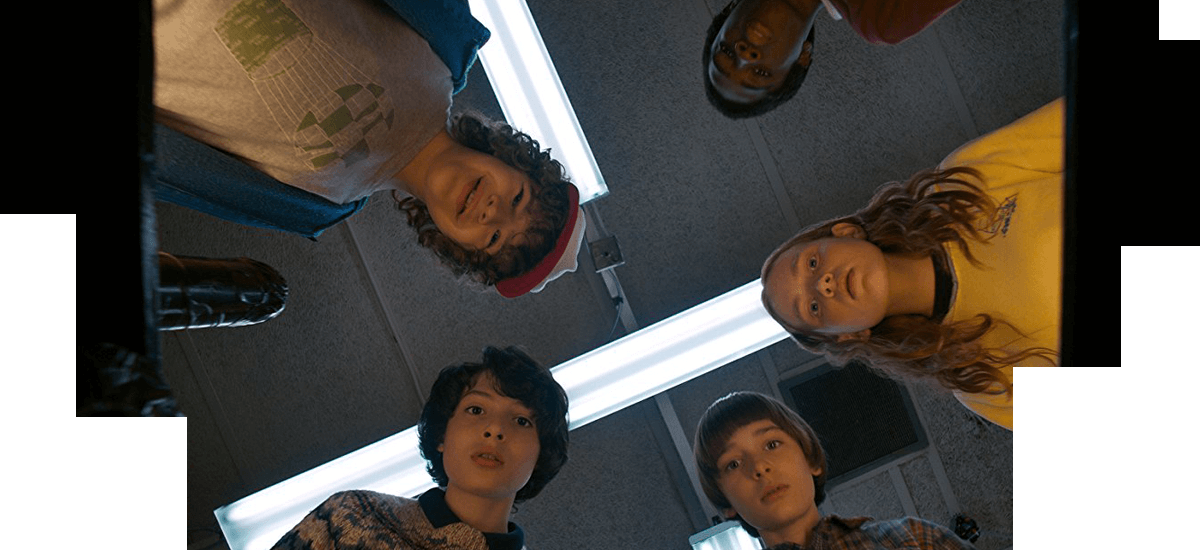
 Much of the second season’s focus was on an opposition either between the kids of Hawkins and the adults, or both the kids and adults together against the things in the “upside down.” Will (Noah Schnapp) spent most of the first season trapped in the alternate, black “upside down” dimension. And while Will looks normal, something’s wrong as he begins experiencing visions of some thing that scares him. But no one will listen to him except his friends including Mike (Finn Wolfhard), Dustin (Gaten Matarazzo), Lucas (Caleb McLaughlin) and Max (Sadie Sink). But what can they do when not even the new head of the secret government Hawkins Lab Dr. Sam Owens (the always wonderful Paul Reiser) believes that anything’s wrong. They think that even though there’s still an open portal between our two dimensions that with regular burnings things can be contained. But as any good army general can tell you, containment can only last so long before there’s some sort of unexpected breakout.
 One thing I found interesting about the second season was the contradictions between it and the first season of the show. In the first season the character of Eleven (Millie Bobby Brown) had escaped from that secret lab where then leader Dr. Martin Brenner (Matthew Modine) had no qualms about using murder in order to get his way. In the second season a nicer head of the lab Dr. Owens is trying to help the Byers family return to a normal life after the first. The question is can Dr. Owens be trusted, or is he just another Brenner in disguise?
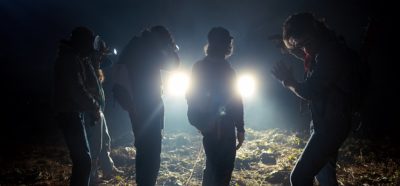 If “premonition” is a theme of the second season, then “compromise” is too. Like with Sheriff Jim Hopper (David Harbour) and the Hawkins lab, agreeing to bring Will in for regular tests, even if he’s secretly hiding Eleven from the spooks in a cabin in the woods. Or even Will’s mom Joyce (Winona Ryder) who’s trying to give Will a normal life after almost losing him, even if it means that she’s also trying to constantly keep him within eyesight and know where he is at all times. Life is full of compromises, and in Stranger Things that’s no different.
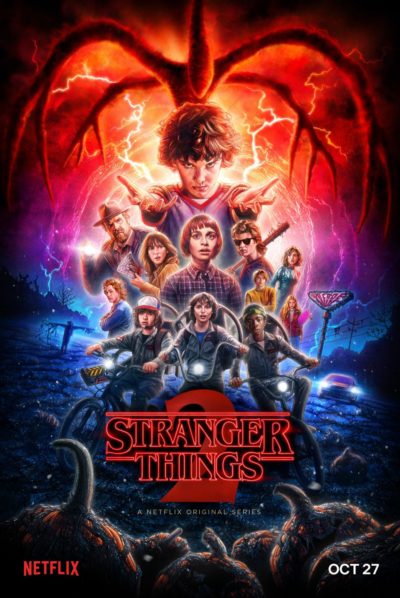 I can’t say that I liked the second season of Stranger Things as much as I did with the first, but if I did that would be saying a lot. That first season is a modern day classic that will be studied and imitated for years to come. Even if the second season isn’t as good as the first I’d still argue that it was a great one. I was constantly on the edge of my seat, was never quite sure where things were going and found the show a lot more gory and bloody than I thought it would have been. But in a a good way.