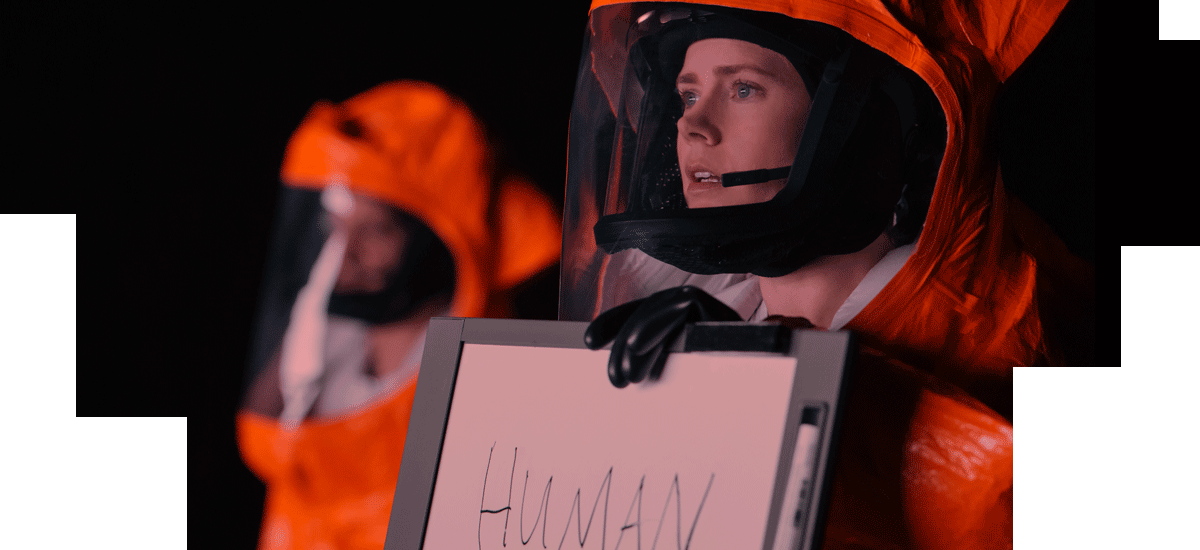
Grade: A-
As I watched the movie Arrival I couldn’t help but thinking I’ve seen this all before. The main concept of the story here, that aliens have arrived on the Earth and it’s up to a group of scientists to communicate with them to discover if they’ve arrived with good or bad intents is a standard sci-fi trope. There’s been loads of TV series like Twilight Zone and Outer Limits and movies like Close Encounters of the Third Kind that have dealt with this before.
 However, just because this has all been done before doesn’t mean Arrival isn’t one heck of a good film and the plot even twists this well-worn concept enough to make the story new and fresh.
Here, seed-shaped spacecraft have arrived over twelve points across the planet and it’s up to linguist Louise Banks (Amy Adams), scientist Ian Donnelly (Jeremy Renner) and army officer Weber (Forest Whitaker) to find out why. The aliens written language consists of these wobbly, almost painterly circles, and as Banks slowly figures the language out she finds more mysteries than answers. And when the Chinese military begin plans to attack the craft hovering over their territory when they don’t like the answers they’re given by the aliens, the question is if Banks can decode the meaning behind the language fast enough, and if her translations are correct before the US military follows suit.
Arrival has gotten a lot of buzz since it was first released and has been nominated for eight Academy Awards. All of which is simply amazing for a story that I can’t imagine would have ever been made as a movie even a few years ago before the current sci-fi boom. I liked most of Arrival, the first half is good enough if a bit typical sci-fi. But the last half, especially the ending, is pure genius. The ending takes Arrival into a completely unexpected direction, taking a so-so story and elevating it to a whole new level.
Arrival is one of those movies that when it ended I felt like I needed to watch again just to see everything I’d missed the first time through, even if everything I missed was hiding in plain sight all along.

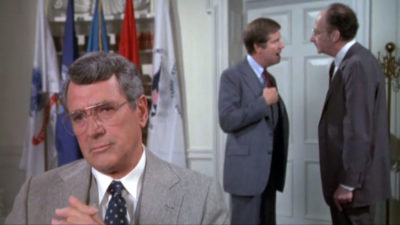 Hidden in the shadow of other 1980s nuclear apocalypse TV films like The Day After and Threads and almost totally forgotten today, World War III takes a different approach to showing how a conflict between the Soviet Union and the US would unfold by showing both the upper-levels of how each government deals with the unfolding crisis and the troops on the ground doing the actual dying in the opening days of WW3. Here, the Soviets have sent a small team of special forces troopers into Alaska to seize an important pumping station for the Alaskan pipeline. They’re going to hold the line hostage until the US agrees to life a grain embargo they have against the Soviets which is crippling that nation. But it just so happens that a small group of Alaskan National Guard troops are in the area training, and when Col. Jake Caffey (David Soul of Starsky & Hutch and the Salem’s Lot mini-series) is sent to investigate, it’s up to this rag-tag team of soldiers to hold the pumping station in order to give the President (Rock Hudson) time to negotiate with the Soviets.
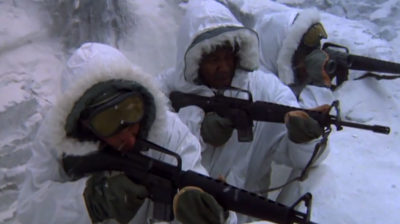 I was surprised just how well David Soul played the part of Caffey in World War III. I’m familiar with his work on Starsky & Hutch and Salem’s Lot but the role of Caffey is something he plays to perfection. At the base Caffey isn’t so much a screwup, but someone unwilling to bend to the system in order to advance his career. But in the field is where he shines, knowing just what to do and when as the Soviets cross the Alaskan frontier and close in on his men as he sets them up in a defensive position in order to stop the Soviets.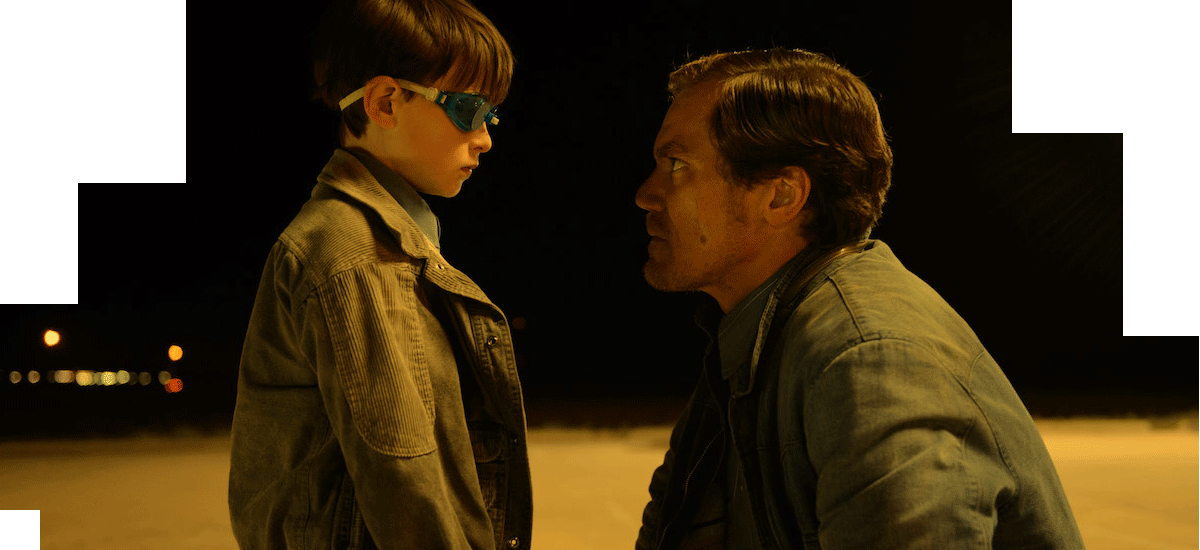
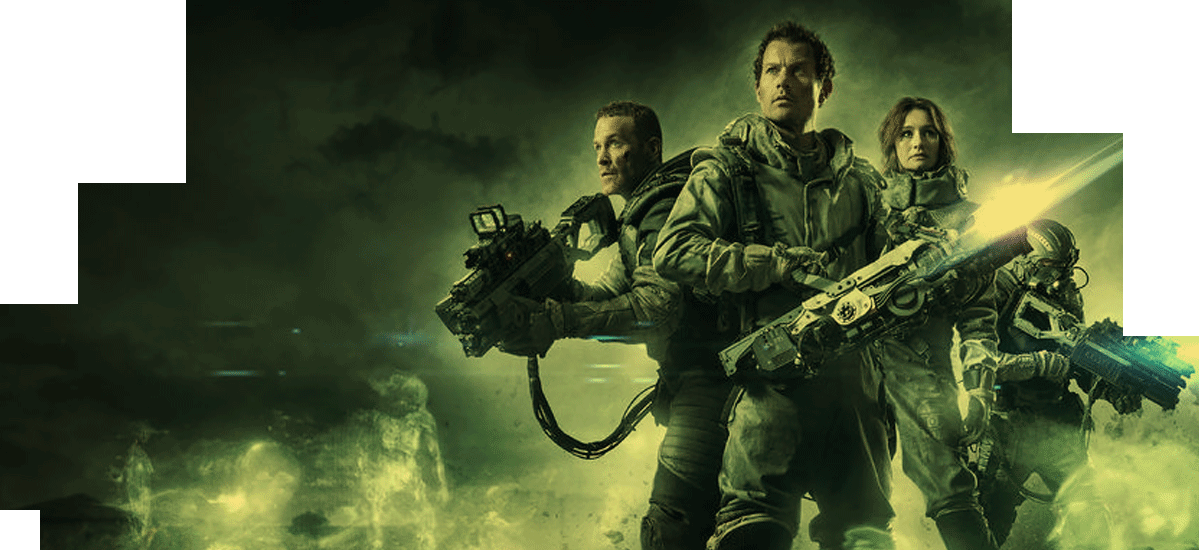
 Borrowing elements from a lot of other movies like Aliens; little kids in danger, soldiers inside an APC running away from the creatures, a commanding officer who watches events unfold from the APC, Predator; soldiers being hunted by an invisible foe, Black Hawk Down; special forces soldiers in combat in a ruined urban environment and more, Spectral is a bit of a mishmash of concepts and styles. Which can be a good thing, lord knows that sometimes all I want out of a sci-fi movie is a mishmash of things from other movies. But I think where Spectral fails is that it never really sticks with any one concept long enough before dashing onto the next borrowed idea.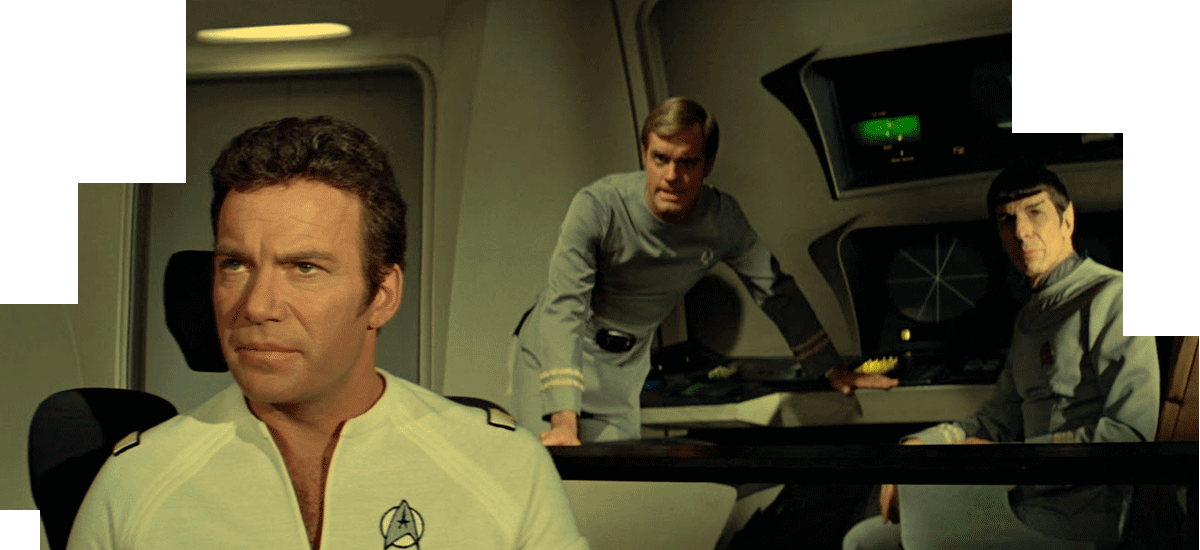
 Released 37 years ago today, Star Trek: The Motion Picture follows the crew of the starship Enterprise who must intercept and stop a colossal something that’s destroying everything in its path and is on its way to the Earth. But what they find in this destructive “cloud” is something no one on the ship is prepared for.