TV
Stranger Things
These days, with how fragmented pop-culture has become, pop-cultural phenomenas are pretty rare. It used to be that once or twice a year some song, TV series or film would become a touchstone that would become a national focus for a time before we all moved onto something else. But with how pop-culture has become so expansive over the last decade with 400 new scripted TV series premiering every year, music for every taste existing in very specific channels, dozens of mega-budget movies being released each year and now competition from the likes of smart phone apps and social media — it makes for a landscape where it’s practically impossible for some pop-culture thing to break out of its specific marketing silo to phenomena status.
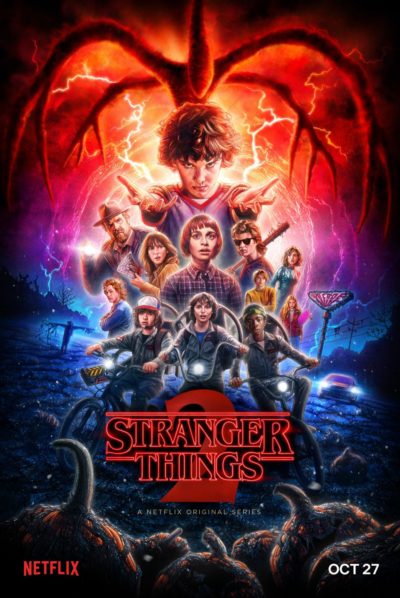 To me a “cultural phenomena” is some movie, TV series or song that practically everyone is aware of, even if they may have not ever seen or heard it. In the 1990s I was aware of the series Seinfeld, knew what channel it was on and what actors were involved even if I didn’t start watching it until the show was in syndication years after it became popular. And that goes for a lot of TV series that are cultural phenomena these days too. I’d say series like Game of Thrones and The Walking Dead are phenomena in that I’d assume just about anyone who watches TV on a regular basis is aware of these two shows, even if many people have never actually watched an episode of them.
So, in a TV landscape where there are literally hundreds upon hundreds of scripted and non-scripted TV series airing each week I’d say those two are only two shows that I’d think would be considered “pop-culture phenomena.” Well, actually, I think there’s now three with Stranger Things joining the cultural phenomena ranks last year with its breakout TV season everyone’s still talking about.
Before the first season of Stranger Things debuted on Netflix the summer of 2016 most of the talk online about the show was how much it looked like the works of Steven Spielberg. And not all in a good way. I got the sense that most people thought Stranger Things was going to be derivative and dull and were counting it out before a single episode streamed. But once the episodes debuted and the reviews started coming in things changed for the show. What was about to be written off as a lame attempt by Netflix creating a show about the 1980s for the nostalgia set became something that appealed to both those who were fans of the sci-fi and horror genera, those interested in nostalgia and those interested in great TV too.
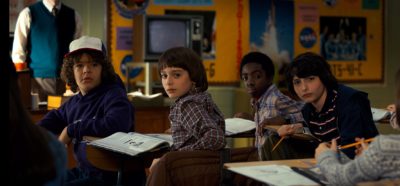 What I think works best about the first season of Stranger Things, where kids from a small Indiana town uncover a conspiracy when one of their own goes missing and another kid appears out of nowhere, was the story. It’s cool that Stranger Things is set in this nostalgia friendly early 1980s, but the story of Stranger Things works no matter where/what time it’s set. Set Stranger Things present day in Florida and the story would still work.
And that’s why I was so excited to see the return of this show — to get back into the story of Stranger Things that has a palpable sense of mystery and danger and to find out what everyone’s been up to the last year after the devastating events at the end of the first season of the series.
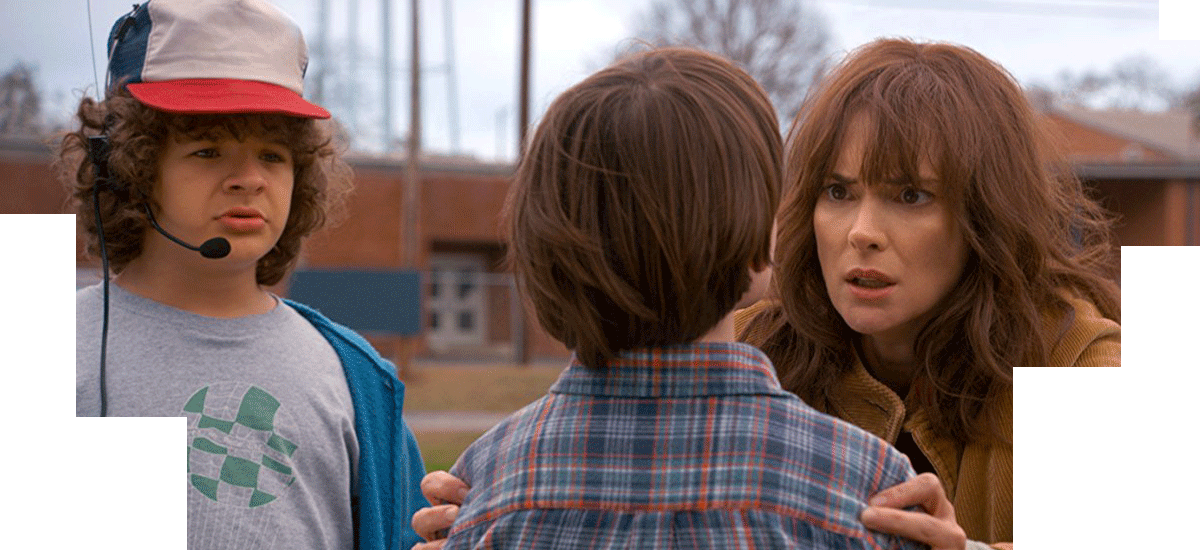
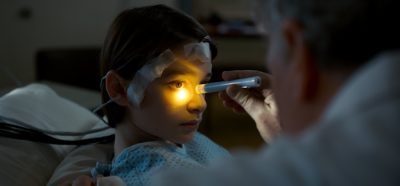 In the second season, it’s about a year after the first and everything’s returned to normal in Hawkins. Well, mostly everything. Will’s (Noah Schnapp) returned to the fold except he’s still experiencing visions from the “upside down” where he was most of the first season, Mike’s (Finn Wolfhard) grades are falling since he’s still trying to find Eleven (Millie Bobby Brown) and Nancy’s (Natalia Dyer) dealing with her friend Barb’s parents who’re selling their house to pay for a detective to search for her.
What I found most interest gin in the show is that the characters are paying the consequences from the first. Be it Will being rescued, but now being called “zombie boy” by kids who are scared of him, Mike’s life being turned around from everything he went through or even Sheriff Hopper (David Harbour) finding that while things around Hawkins have been pretty normal, it’s about to get a lot less so.
In Stranger Things, for every action, there’s an equal and opposite reaction and just because the kids of Hawkins drove the evil out doesn’t mean that a greater one isn’t going to try and get back in and is stronger than ever.
Comics
Night Force by Marv Wolfman and Gene Colan: The Complete Series
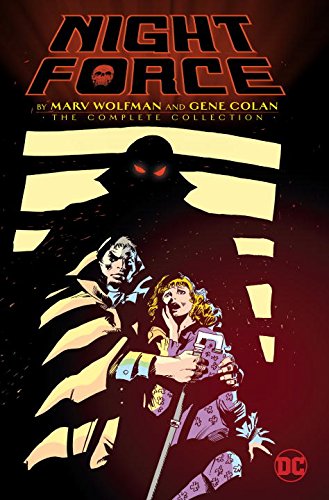 One comic series that I’m totally unfamiliar with that sounds amazing is Night Force. This comic series began in the early 1980s and lasted a measly 14 issues before being cancelled. I’m assuming that since the series was out just before I started collecting comics, and since it was so limited, that’s why I never saw it in the 25¢ comic bins at the flea markets or antique shops I used to frequent. Of course, it could also be that at the time of the 25¢ back issue comics I was too busy hunting for an Incredible Hulk #181, The Amazing Spider-Man #129 or Iron Fist #14 to notice something as interesting sounding as Night Force.
One thing — the collected editions of this series go for between $30 and $40 for paperback and hardback cover respectively, but you can find complete runs of the original comics on eBay for less than $20 shipped.
The creative team behind Tomb of Dracula reunited in 1982 for DC’s NIGHT FORCE! The series begins as the mysterious sorcerer Baron Winter assembles a team to take on an occult evil. But can the granddaughter of Dracula’s greatest foe, a powerful parapsychologist, and a timelost warrior from the court of King David tackle these threats?
Toys
Alien 3 Dog Alien Maquette
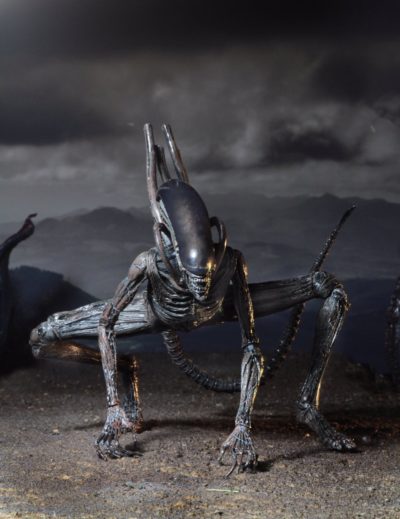
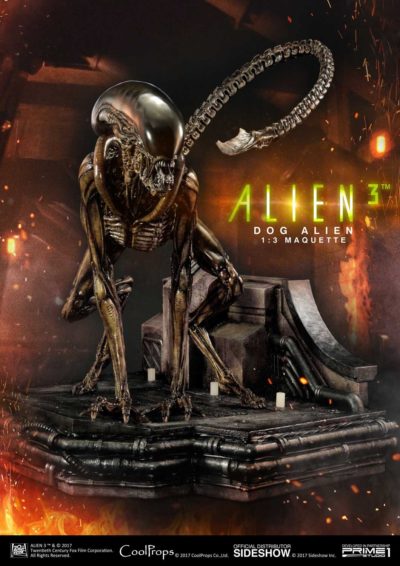 The Prime 1 Studio and CoolProps Alien 3 monster looks amazing. From the sickly brown color to its translucent dome and swappable heads with mouth closed and open, this statue stands more than two feet tall and certainly one to own. Unfortunately, “amazing” comes with a steep price as this item is set to retail for nearly $1,700.
The Reading & Watch List
- Have astronomers discovered our first interstellar visitor?
- Rediscovering History’s Lost First Female Video Game Designer
- 2017: The Biggest Year in Horror History
- How the Soviet Union Snooped Waters for Enemy Subs—Without Sonar
- Why AMC Shouldn’t Panic About The Walking Dead Ratings
- Stephen Hawking’s Ph.D. Thesis Crashes Cambridge Site After It’s Posted Online
This week in pop-culture history
- 1954: Godzilla opens in Japan
- 1961: Peter Jackson, director of King Kong, The Frighteners and The Lord of the Rings films is born
- 1988: They Live premiers
- 2002: *28 Days Later…” Premiers
- 2009: The TV series V premiers
- 2010: The first episode of The Walking Dead airs
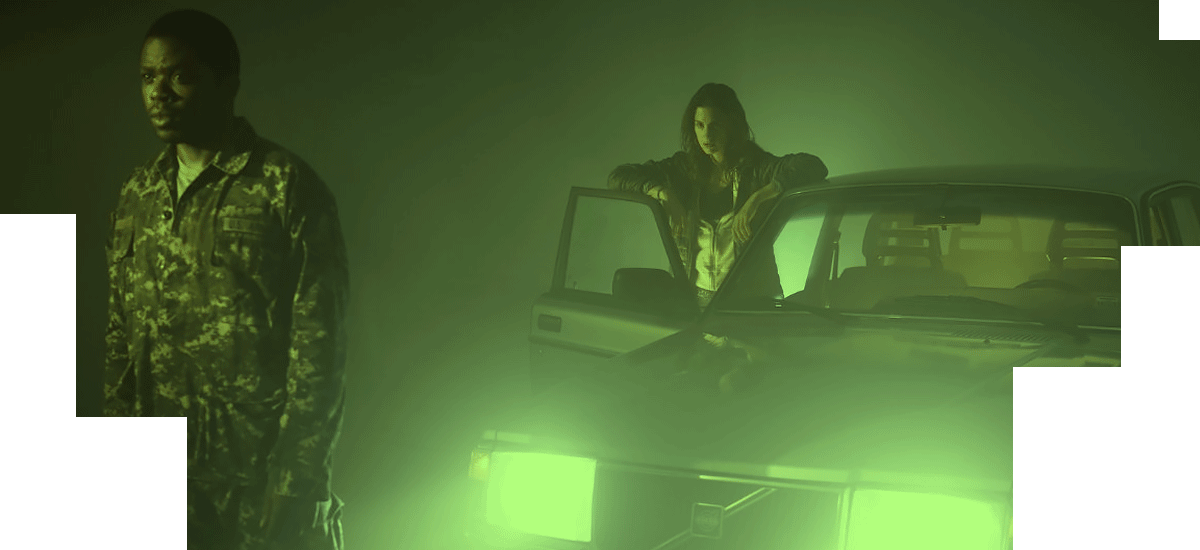
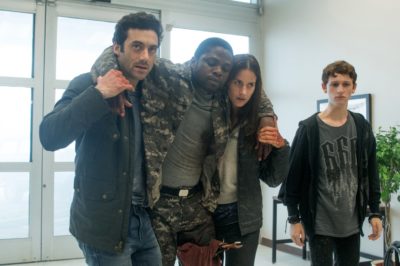 Let’s put it this way, we live in a world where most horror movies follow the same formula. There’s a bad guy, and this bad guy is killing off characters in the movie one by one. They start with the least important character and work their way to the main character. Where, in the end, the main character gets the better of the villain and good wins the day. Only this doesn’t happen in The Mist. There’s no one main villain, there’s a few actually. There are these weird creatures that come out of the titular mist and there’s the character of Mrs. Carmody (Marcia Gay Harden) who’s religious fervor over what’s going on means that she’s as dangerous as the monsters out in the mist.
 What I find most ironic is that while the public didn’t turn out to see The Mist, they sure turned out a few years later for Darabont’s next project; The Walking Dead. There are so many similarities between The Mist and The Walking Dead that it’s ironic that The Mist failed so badly but The Walking Dead was, and continues to be, one of the most popular series on TV. There’s the whole apocalyptic angle with people cut off and having to fight for their lives from a weird force. There’s the brutality of the situation, with characters being killed off in some disturbing ways. There’s even some of the same cast shared between The Mist and The Walking Dead too.
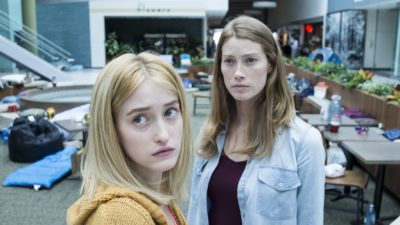 As much as I like to rag on The Walking Dead I have to say that the first season of the show did a great job of introducing characters. Right now there may be dozens of people on the show, but at the start there was only a handful really which meant we got a lot of time meeting each person. And in the first episode we’re only with the character of Rick (Andrew Lincoln) for a good part of the hour as he explores a post-zombie apocalypse wasteland. I think by having the loads of characters in The Mist and having the episode play out in normal life like a cruddy drama lessons the impact of the show. I mean, the show’s called The Mist but in the first episode we get maybe 15 minutes of the mist. The rest of the time it’s this fake family stuff.
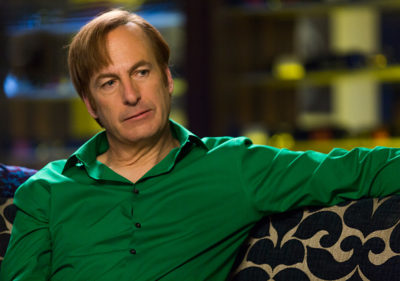 This third season of Better Call Saul which wrapped up last week was better than ever. I think part of the reason the show is so good/I like it so much is that it’s headed towards some kind of conclusion, even if that conclusion is of the character of Jimmy McGill (Bob Odenkirk) becoming Saul Goodman who later appears on the series Breaking Bad. As much as I might like the idea of having an open-ended story that a medium like TV provides, I have to admit that in practice its almost never a good idea. Too often series start out promising but go on a bit too long and instead of coming to a natural story conclusion drag out the story and grow stale/boring in their declining years. Series like Man Men, Game of Thrones or The Americans started off interestingly enough but went/have gone on a season or two too long and went from interesting series to watch to a slog to suffer through.
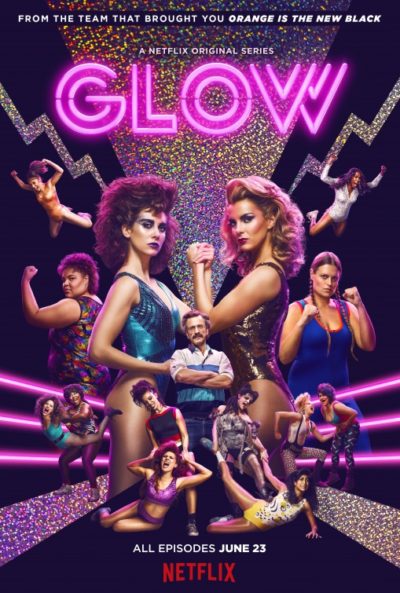 GLOW, on the other hand, was a bit different. First, it was on during the day after cartoons Saturday afternoon where I lived and rather than being almost all guy wrestlers as the WWF used to be was all female. What GLOW lacked in production values, each episode looked like it was shot on an $10 budget, they more than made up for in wild characters, over-the-top stories and a bit of titillation. For a time it seemed as if GLOW was somewhat popular but only for a little while. And just as quickly as the series emerged from the jurassic ooze of 1980s TV it was swallowed back up to disappear forever.
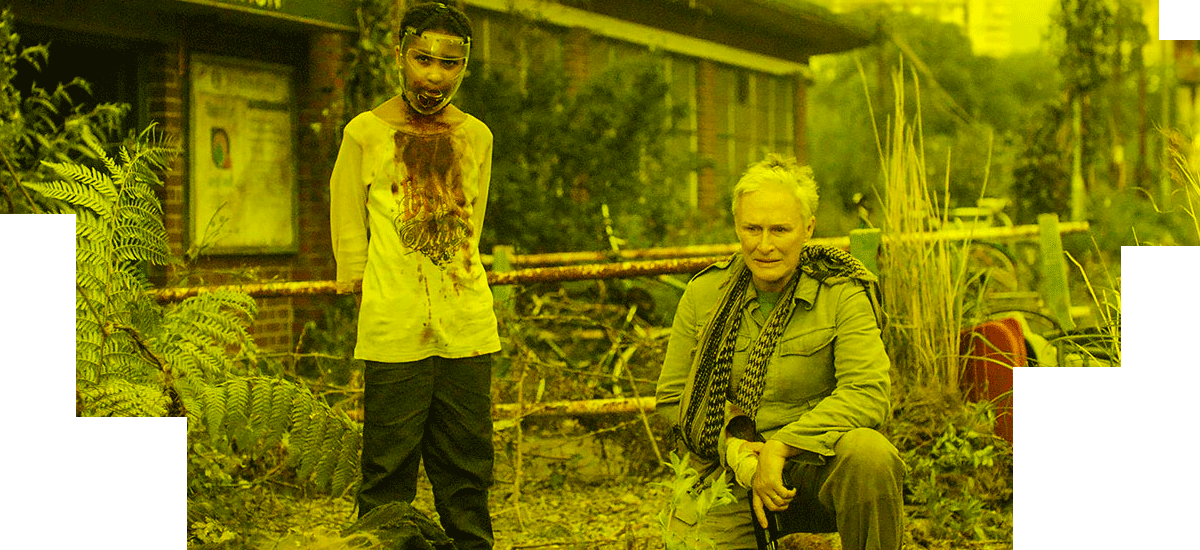
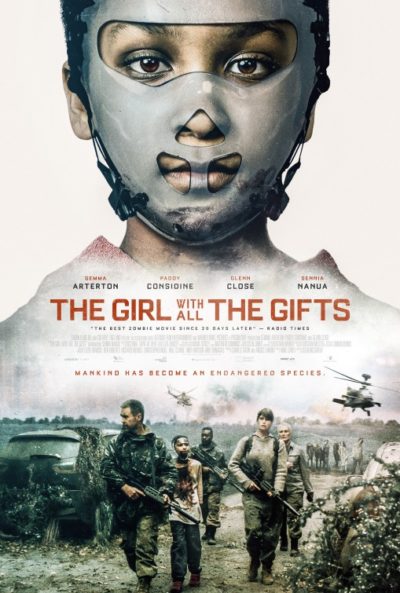
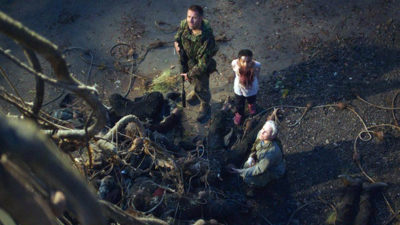 In The Girl with all the Gifts, it’s an unspecified time after a virulent fungal plague has swept the planet and turned those affected by it into green, flesh-hungry zombies. The UK military has abandoned the cities and has retreated to bases in the country in order to study the outbreak and come up with a vaccine lead by Caldwell. Enter a group of kids born after the plague including Melanie (Sennia Nanua) who have the infection but haven’t turned into blood-crazed ghouls and seem to be the key to finding a way to end the apocalypse.
 And this Caldwell/Neville character connection –– not to ruin things too much, but much like with Neville, Caldwell is so focused on coming up with a solution to reversing the apocalypse that she can’t see that a new order has started to emerge which is changing the balance of power on the planet.
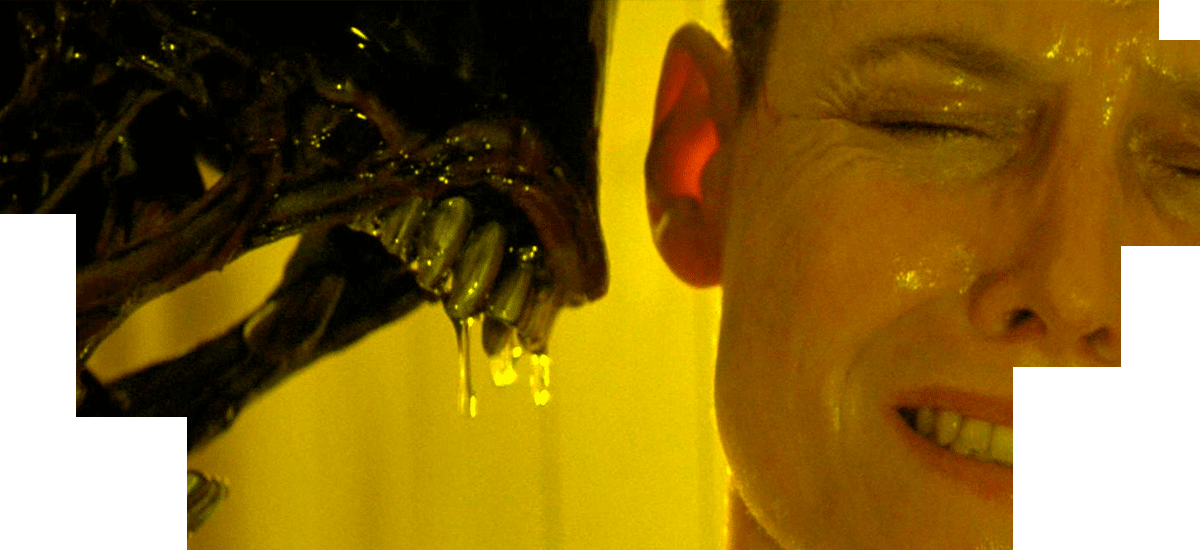
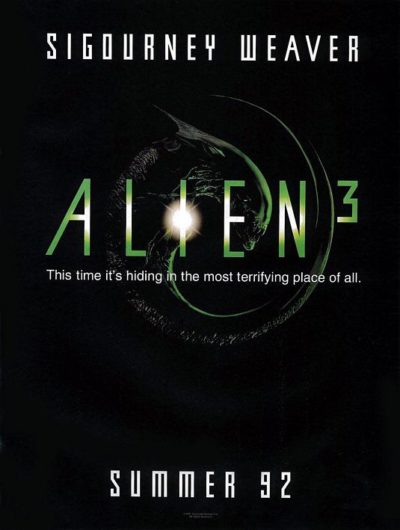 Today, Alien 3 is considered by the fans to be a noble failure. That movie was directed by David Fincher before he was David Fincher, so it’s got all the visual stylings we would come to expect from the director, but something about the movie is off. Alien 3 kind’a tries to return the Alien franchise to its roots — an alien vs a bunch of people sans any real weapons — yet the story is so uneven in places that it never ever is able to “get going” and never takes the audience for the ride we were expecting to go on after Aliens.
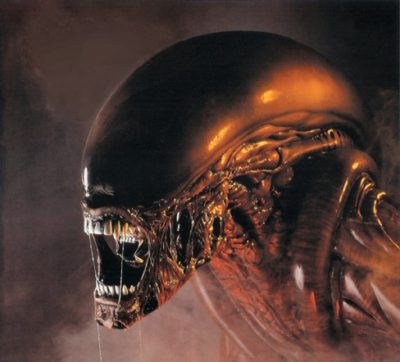 Now that I think about it, the craziest choice in Alien 3 is that you’ve got at the time one of the most beautiful and famous actresses on the planet with Weaver who in this film has a shaved head and looks more like one of the ragged male prisoners than one of the most recognizable actors on the planet which is a bold chose to say the least.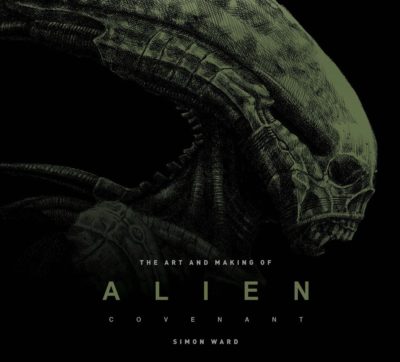
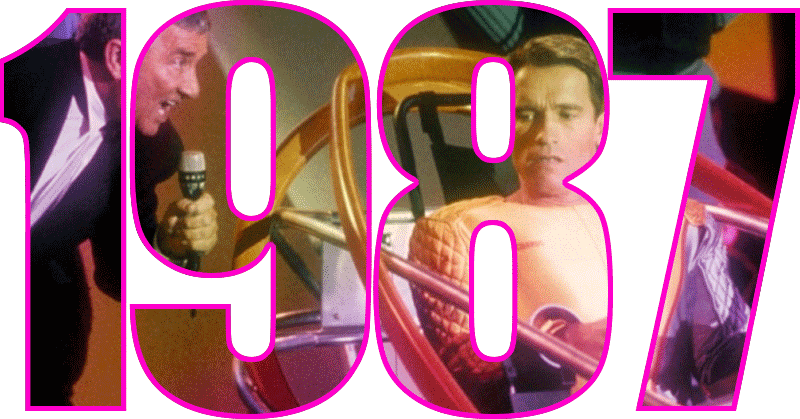
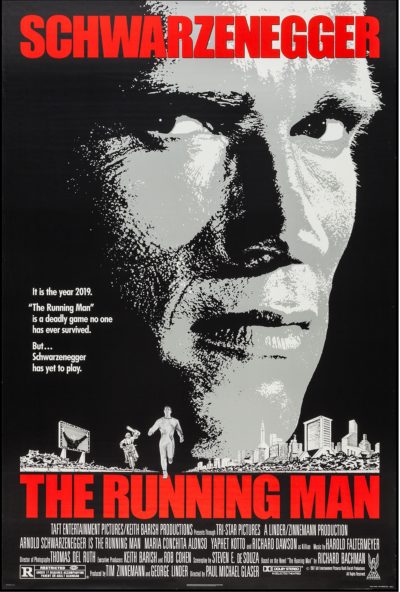 Still, when I recently rewatched it earlier this year I was stuck as to just how the dystopian future depicted in The Running Man has come true today — heck, the movie’s even partially set in 2017.